
- Home
- Bed Bug Treatment
Bed Bug Treatment
Bed bugs are the most stubborn pest we deal with. Because the eggs survive the first treatment, a second visit is planned from the start and included in the price.
How do you know it is bed bugs?
The first sign is usually the bites: itchy welts on the arms, shoulders and legs, lined up in a row, noticed on waking. The row of three or four along one line is what separates them from mosquito bites.
You can confirm it without seeing the insect. Look for:
- Dark brown or black specks on the mattress seams. Faecal marks; they smear when wiped with a damp cloth.
- Small blood spots on the sheet. From individuals crushed in your sleep.
- Transparent, papery shells. Skins shed by growing nymphs.
- A sweetish, musty smell. Noticeable in heavy infestations.
Where you look matters: behind the headboard, the base seams, the edge banding of the mattress, behind the bedside table and along the skirting line. During the day bed bugs hide in exactly these narrow gaps.
Where do they come from?
Bed bugs have nothing to do with how clean a home is. They appear in spotless houses, because they are carried in from outside:
- Travel. They get into the suitcase at a hotel, a guest house or someone else's home. This is the most common route.
- Second-hand furniture. Beds, bases, armchairs and bookcases above all.
- A neighbouring flat. They travel through socket cavities and service shafts.
- A visitor's belongings. A bag, a coat, a rucksack.
Why one treatment is never enough
Bed bug eggs are far more resistant to the product than the adults. Hatching takes 7 to 10 days. The first treatment kills the adults and the nymphs, but it does not stop the next generation emerging from the eggs.
That is why every bed bug programme we run includes a second visit, booked at the outset for 10 to 14 days later and covered by the original price. An offer that says "one visit and it is finished" means the problem comes back a fortnight later.
With bed bugs, success depends less on the strength of the product than on getting the calendar right.
What to do before we arrive
Preparation matters more here than with any other pest:
- Wash bedding at 60°C. Sheets, pillowcases and duvet covers; tumble-dry hot if you can.
- Do not move furniture to another room. Moving an infested item spreads the problem.
- Empty the bedside tables and the area under the bed. The applicator needs to reach the gaps.
- Bag up clothing you have already washed. Keep it sealed until the second visit.
Tell us in advance if there is a baby, a pregnant person, someone with a chronic respiratory condition, a pet or an aquarium in the home. We change the product and the method accordingly.
How the treatment is done
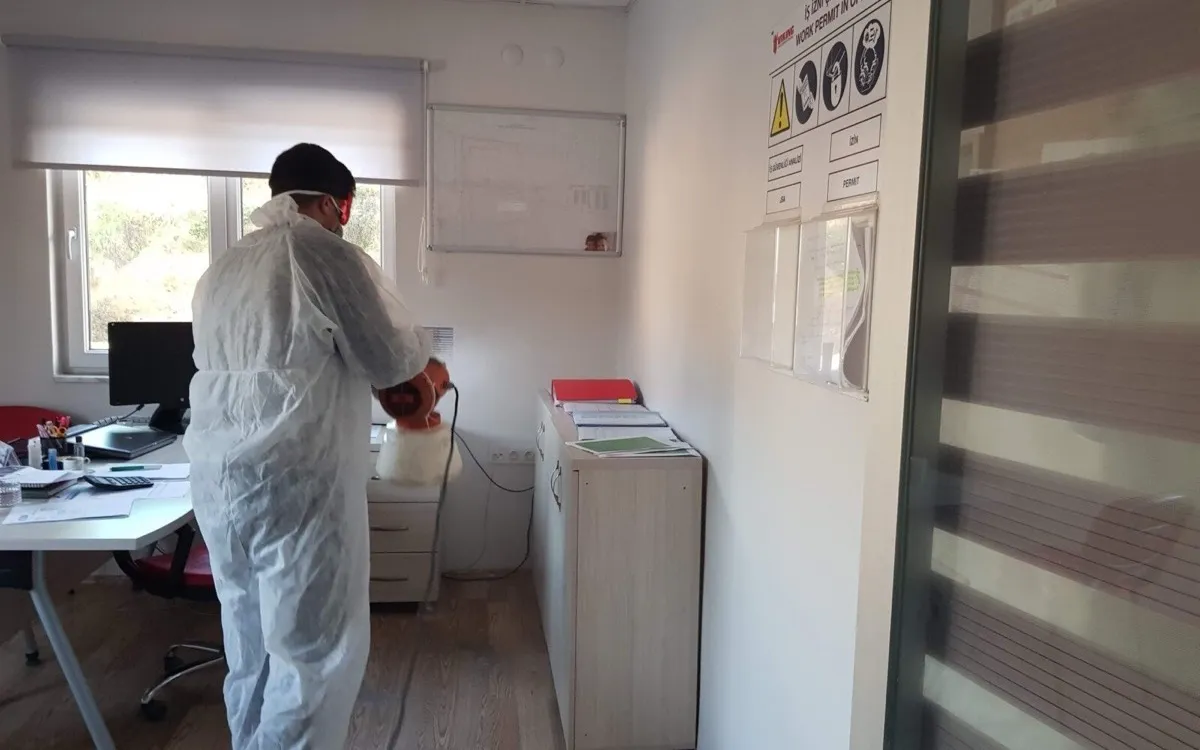
We do not fog a bedroom and call it done. The work is targeted: the bed frame, the base seams, the mattress edge banding, the furniture joints, the skirting line and the socket surrounds are treated individually, with residual products that stay active on the surfaces the insects cross.
You receive a guarantee certificate at the end. If bed bugs are still present within the guarantee period after the second visit, we come back at no charge.
Frequently asked questions
How long does a bed bug treatment take?
A one-bedroom flat takes roughly 1–2 hours per visit. The programme spans about two weeks in total, because the second visit falls 10–14 days after the first.
Is the second visit charged separately?
No. The second visit is planned from the start and included in the price we quote.
Do I have to throw the mattress away?
Usually not. A mattress can normally be treated and kept. We only suggest disposal when the infestation is extreme and the mattress is already damaged.
Can I sleep in the room afterwards?
Yes, after the surfaces have dried — generally 2–4 hours. Ventilate the room first. Do not strip the treated surfaces by washing them.
Will it work if my neighbour also has bed bugs?
Treating one flat in isolation often fails, because the insects travel back through shafts and socket cavities. Where that is the case we say so and recommend treating the affected flats together.
Tell us what you are dealing with
Message us on WhatsApp in English, or call the office. The survey and the quotation are free.